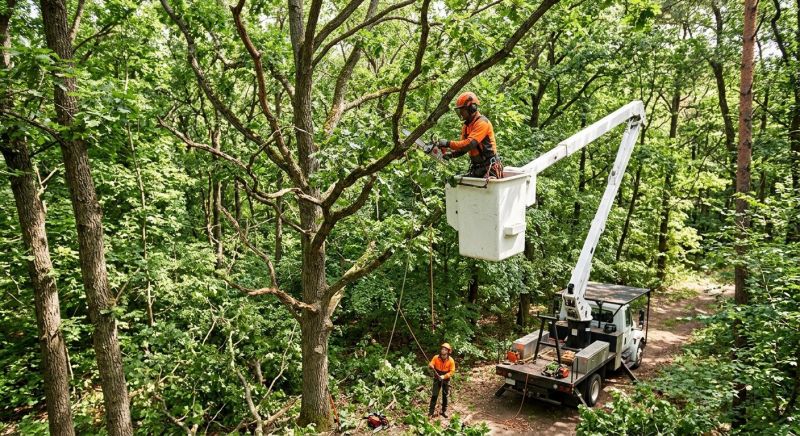
Canopy Pruning in Doylestown, PA
Canopy pruning services involve carefully trimming and shaping the upper branches and foliage of trees to promote healthy growth, improve safety, and enhance the overall appearance of a property. This type of pruning focuses on the upper canopy of trees, removing dead, diseased, or overgrown branches, and reducing the risk of falling limbs. It is often requested for trees that have become too dense, are obstructing views, or are located near structures or power lines. Homeowners considering canopy pruning should understand the importance of proper technique to avoid damaging the tree and to ensure the desired shape and health are maintained.
Before requesting canopy pruning, property owners typically want to know which types of trees are suitable for this service and how the process might impact the tree’s health and growth. It’s also helpful to consider the timing of pruning, as certain seasons are better suited for specific species. Clarifying the extent of trimming needed and discussing any safety concerns related to tall or hard-to-reach branches can help ensure the project meets expectations. Proper planning and understanding of the scope can support effective pruning that benefits the tree’s longevity and the property’s safety.
Many property owners in Doylestown, PA look into Canopy Pruning for repairs, replacements, upgrades, and appearance-related improvements.
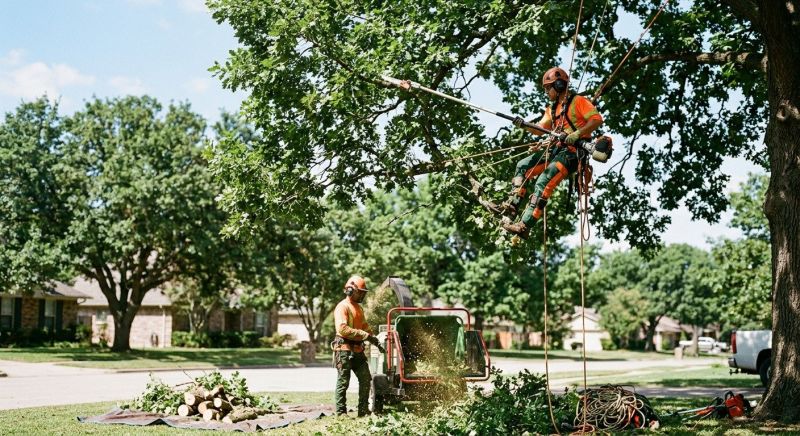
Canopy Pruning For Tree Health
Proper canopy pruning helps maintain the overall health and vitality of trees in doylestown properties.
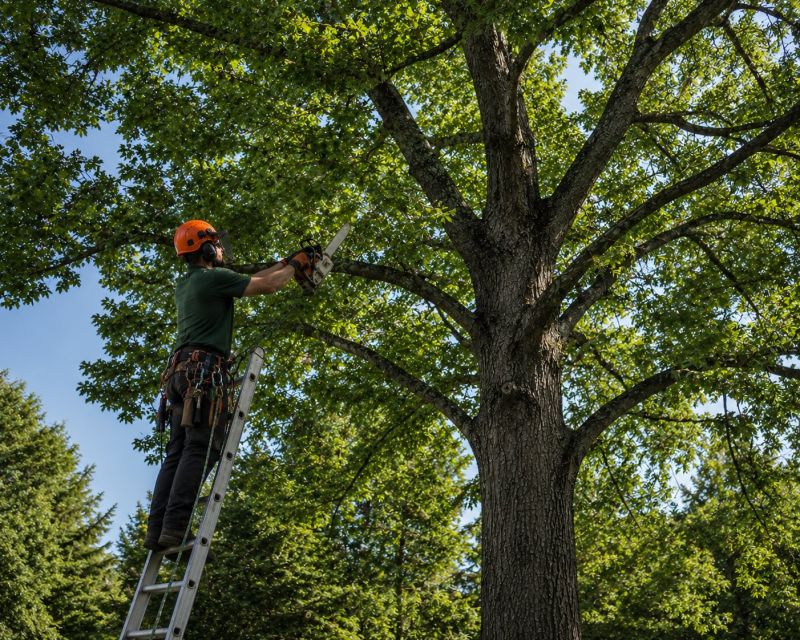
Enhancing Property Appearance
Pruning can improve the shape and aesthetics of trees, boosting curb appeal for homes and businesses.
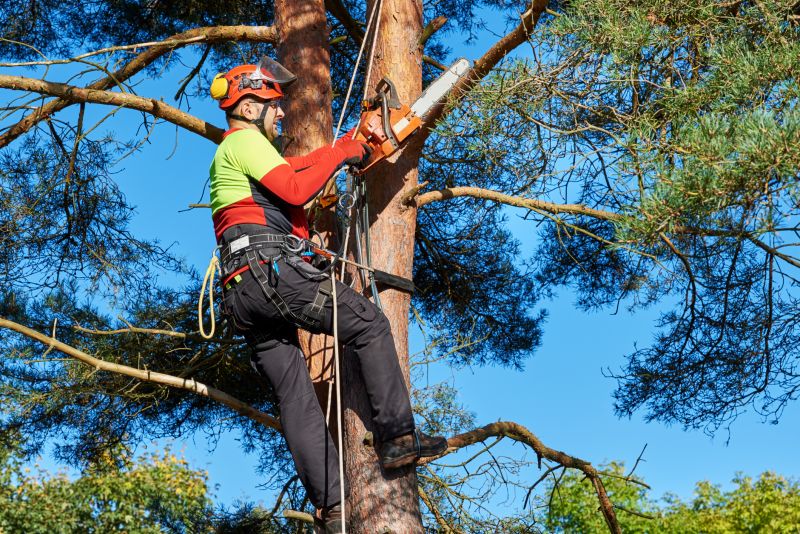
Safety And Clearance
Selective canopy pruning reduces hazards by removing dead or overhanging branches near walkways and structures.
Canopy Pruning in Doylestown, PA

Canopy pruning services involve carefully trimming and shaping the upper branches and foliage of trees to promote healthy growth, improve safety, and enhance the overall appearance of a property. This type of pruning focuses on the upper canopy of trees, removing dead, diseased, or overgrown branches, and reducing the risk of falling limbs. It is often requested for trees that have become too dense, are obstructing views, or are located near structures or power lines. Homeowners considering canopy pruning should understand the importance of proper technique to avoid damaging the tree and to ensure the desired shape and health are maintained.
Before requesting canopy pruning, property owners typically want to know which types of trees are suitable for this service and how the process might impact the tree’s health and growth. It’s also helpful to consider the timing of pruning, as certain seasons are better suited for specific species. Clarifying the extent of trimming needed and discussing any safety concerns related to tall or hard-to-reach branches can help ensure the project meets expectations. Proper planning and understanding of the scope can support effective pruning that benefits the tree’s longevity and the property’s safety.
Many property owners in Doylestown, PA look into Canopy Pruning for repairs, replacements, upgrades, and appearance-related improvements.
Common Canopy Pruning Jobs
Canopy pruning - selectively trims the upper branches to promote healthy growth.
Tree crown thinning - reduces density for better light penetration and airflow.
Structural pruning - shapes the canopy to improve stability and prevent hazards.
Deadwood removal - clears out dead or diseased branches to maintain tree health.
Formative pruning - guides young canopies for balanced growth and strong structure.
Overgrown canopy reduction - decreases excessive branch length to prevent interference with property.
Canopy Pruning Questions
What is canopy pruning? Canopy pruning involves selectively trimming branches to improve tree health, shape, and safety by reducing overcrowding and removing dead or diseased limbs.
Why should property owners consider canopy pruning? It helps maintain tree structure, enhances appearance, and minimizes the risk of falling branches or storm damage.
What types of trees benefit from canopy pruning? Most deciduous and evergreen trees can benefit, especially mature trees that need thinning, shaping, or health maintenance.
When is the best time for canopy pruning? The ideal time is during late winter or early spring before new growth begins, but pruning can be performed as needed throughout the year.
Request Canopy Pruning in Doylestown, PA
Use the quote form on this page to share the basics of your project and request more information for the type of work you need.